A practical guide for New York building owners, property managers, and facility teams
Buildings rarely operate exactly as they did on opening day. Occupancy changes, equipment ages, control sequences are revised, sensors drift, and temporary overrides become permanent. The result may be higher utility costs, recurring comfort complaints, or equipment that runs longer than necessary—even when no single component appears to have failed.
Retro-commissioning (RCx) is a structured process for finding and correcting those operational problems in an existing building. It evaluates how systems actually perform, tests whether equipment and controls work together as intended, and identifies practical adjustments that can improve performance without requiring a major capital project.
What retro-commissioning actually does
RCx begins with the building’s current needs—not simply its original drawings. The retro-commissioning provider reviews available documentation and utility data, interviews operating staff, observes equipment, analyzes control-system trends, and performs functional testing. The objective is to compare intended operation with measured operation under real conditions.
That distinction matters. A pump may be running, an air-handling unit may be supplying air, and a boiler may be producing heat; yet the overall system can still waste energy or fail to maintain comfort. Heating and cooling may operate at the same time. Outdoor-air dampers may not respond correctly. Schedules may keep equipment on overnight. Sensors may report inaccurate values, causing otherwise functional equipment to receive the wrong commands.
The process typically produces a findings log that describes each issue, its operational or energy impact, the recommended corrective action, and a method for verifying the result. Some corrections can be implemented through controls programming or maintenance work. Others may require repair, replacement, design, or a future capital project.
How it differs from commissioning and maintenance
Commissioning and retro-commissioning use similar testing and verification principles, but they occur in different contexts. Commissioning is most commonly associated with a new building or a major renovation. It verifies that newly installed systems meet the owner’s project requirements and operate in accordance with the design and construction documents.
Retro-commissioning applies those principles to an existing building, where the present operating requirements, installed conditions, and years of changes may differ substantially from the original design. Recommissioning is sometimes used for a building that was commissioned previously and is being tested again.
Routine maintenance has a different purpose. Maintenance personnel replace filters and belts, lubricate equipment, respond to alarms, and repair failed components. Those activities are essential, but they do not necessarily test system-level performance or control sequences. RCx complements maintenance by investigating interactions across equipment, controls, schedules, and operating practices.
Common signs that a building may need RCx
An owner should consider retro-commissioning when one or more of the following conditions persist:
- Energy use or demand has increased without a clear change in occupancy or weather.
- Hot and cold complaints occur at the same time or return after repeated service calls.
- Heating, cooling, ventilation, pumps, or lighting operate during unoccupied periods.
- Building automation alarms, overrides, or disabled control points have accumulated.
- Equipment cycles frequently, runs continuously, or operates against another system.
- Renovations, tenant changes, or schedule changes were completed without retuning base-building systems.
- Major equipment was replaced, but expected energy or comfort improvements did not materialize.
- Operators lack current sequences of operation, setpoints, or reliable system documentation.
RCx is also valuable before a major equipment replacement. It can help distinguish failed equipment from control or distribution problems, reducing the risk that an owner purchases new equipment without correcting the underlying cause.
Systems typically reviewed
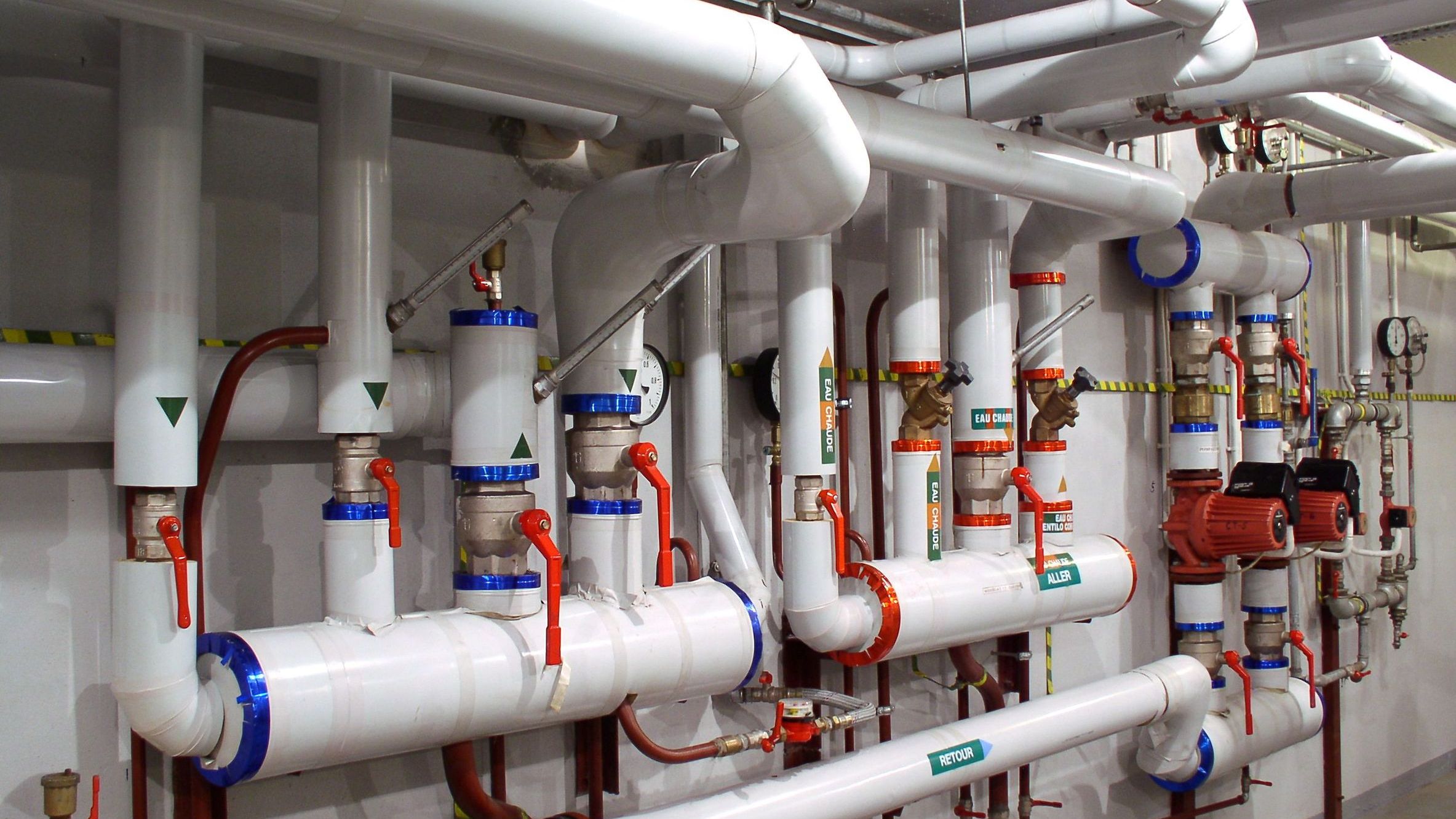
The scope should reflect the building type, operating priorities, and available data. A typical investigation may include heating and cooling plants; air-handling and ventilation systems; pumps and hydronic distribution; domestic hot-water systems; building automation controls; lighting controls; electrical metering; and selected envelope or pressure relationships that affect mechanical operation.
Testing may examine schedules, setpoints, sensor calibration, economizer operation, reset strategies, valve and damper response, equipment staging, simultaneous heating and cooling, ventilation rates, and sequences during occupied and unoccupied modes. Trend data and temporary metering can reveal conditions that a brief visual inspection will miss.
Likely benefits—and realistic expectations
The strongest RCx opportunities are often operational: correcting schedules, calibrating sensors, restoring control sequences, eliminating simultaneous heating and cooling, and improving equipment staging. These measures can reduce energy use and peak demand while improving comfort, indoor environmental conditions, equipment reliability, and staff understanding of the building.
RCx should not be presented as a guaranteed savings package. Results depend on existing conditions, system complexity, data availability, implementation quality, and continued operation after corrections are made. A credible process therefore establishes a baseline, prioritizes findings by cost and impact, documents completed work, and verifies that the intended outcome was achieved. Ongoing monitoring or periodic recommissioning may be appropriate for complex or high-energy-use facilities.
When New York owners should consider it
Retro-commissioning can be initiated whenever performance problems, operating changes, or energy goals justify it. Good timing points include persistent complaints; an unexplained increase in utility use; acquisition or repositioning of a property; completion of a major renovation; preparation for electrification or other capital upgrades; and development of a building emissions-reduction plan.
In New York City, compliance may also set the schedule. Local Law 87 requires owners of certain covered buildings to complete periodic energy audits and retro-commissioning and file an Energy Efficiency Report every ten years. The legal requirement is important, but compliance should not be treated as the sole objective. Properly scoped field investigation, functional testing, corrective-action tracking, and verification can turn a required exercise into useful operational information for ownership and facility staff.
Mayflower Energy Engineering provides commissioning, retro-commissioning, and independent performance verification for multifamily, commercial, and institutional buildings. Our work connects field observations, controls and metering data, operator knowledge, and functional testing so that findings are specific, actionable, and verifiable.
If your building has recurring performance issues, an upcoming LL87 cycle, or a major upgrade under consideration, contact MEE to discuss whether a focused RCx investigation or a broader building-systems review is the appropriate next step.